21 Jul 2026
Integrating Tiered Rewards with Protection Protocols in Mobile Casino Platforms
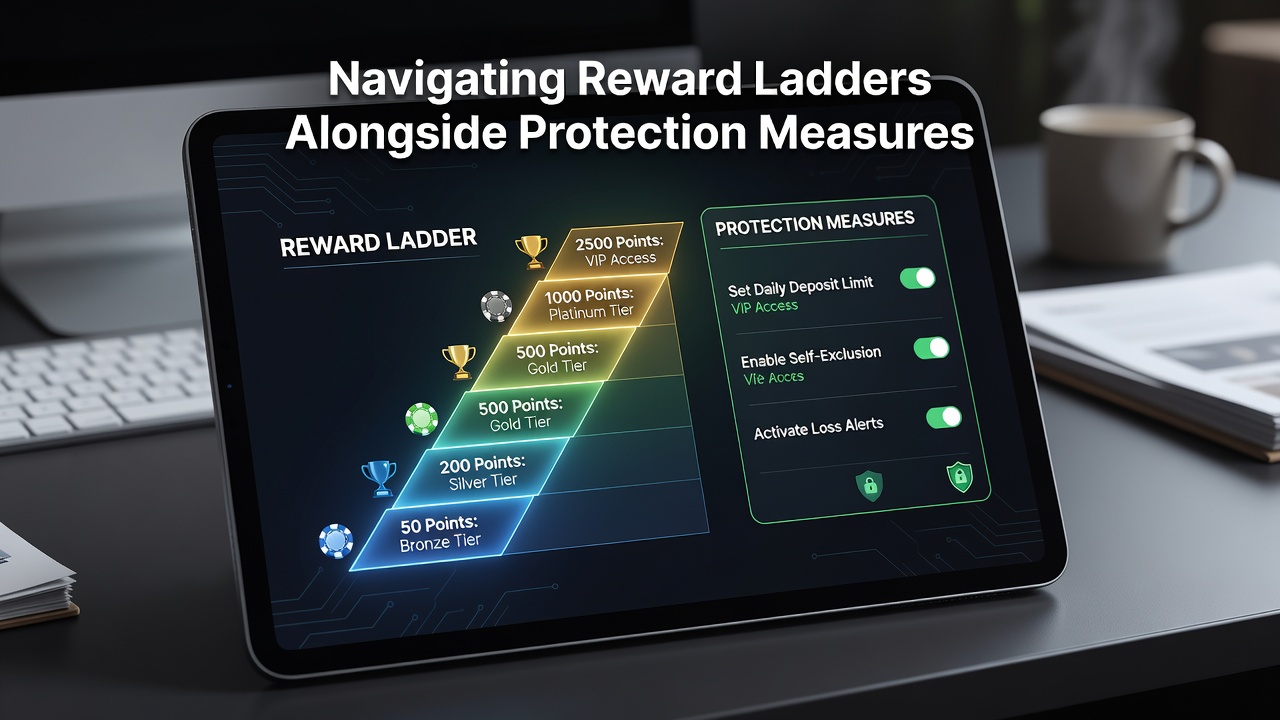
Handheld casino interfaces now combine tiered reward systems with layered safety tools, allowing users to track progress through loyalty levels while setting personal boundaries at the same time. Developers design these platforms so that reward ladders appear alongside deposit limits, session timers, and self-exclusion options, creating a single screen where players monitor both advancement and control measures.
How Reward Structures Operate on Portable Devices
Many applications display progress bars that fill as users complete wagers or achieve milestones, with each tier unlocking additional benefits such as faster withdrawals or exclusive game access. These ladders typically include entry-level stages that require modest activity before advancing to mid-tier and premium levels, and the mobile format lets players check status instantly without switching to a desktop site. Research from the Responsible Gambling Council shows that clear visual indicators help users understand requirements, yet the same displays can encourage continued play when paired with countdown timers for upcoming rewards.
Points accumulate through slots, table games, and live dealer sessions, then convert into credits or merchandise depending on the operator's rules. Notifications arrive via push messages that detail remaining activity needed for the next level, and these alerts often sit next to reminders about current spending caps. Observers note that the combination keeps reward information prominent without forcing users to navigate separate menus for protection settings.
Protection Tools Embedded in the Same Interfaces
Operators integrate deposit limits, loss thresholds, and reality checks directly into the reward dashboard so adjustments happen without leaving the main screen. Users set daily, weekly, or monthly caps that automatically pause activity once reached, and the system displays remaining allowance next to the current tier progress. Self-exclusion periods appear as selectable options ranging from short breaks to longer blocks, with the interface confirming the choice before allowing further play.
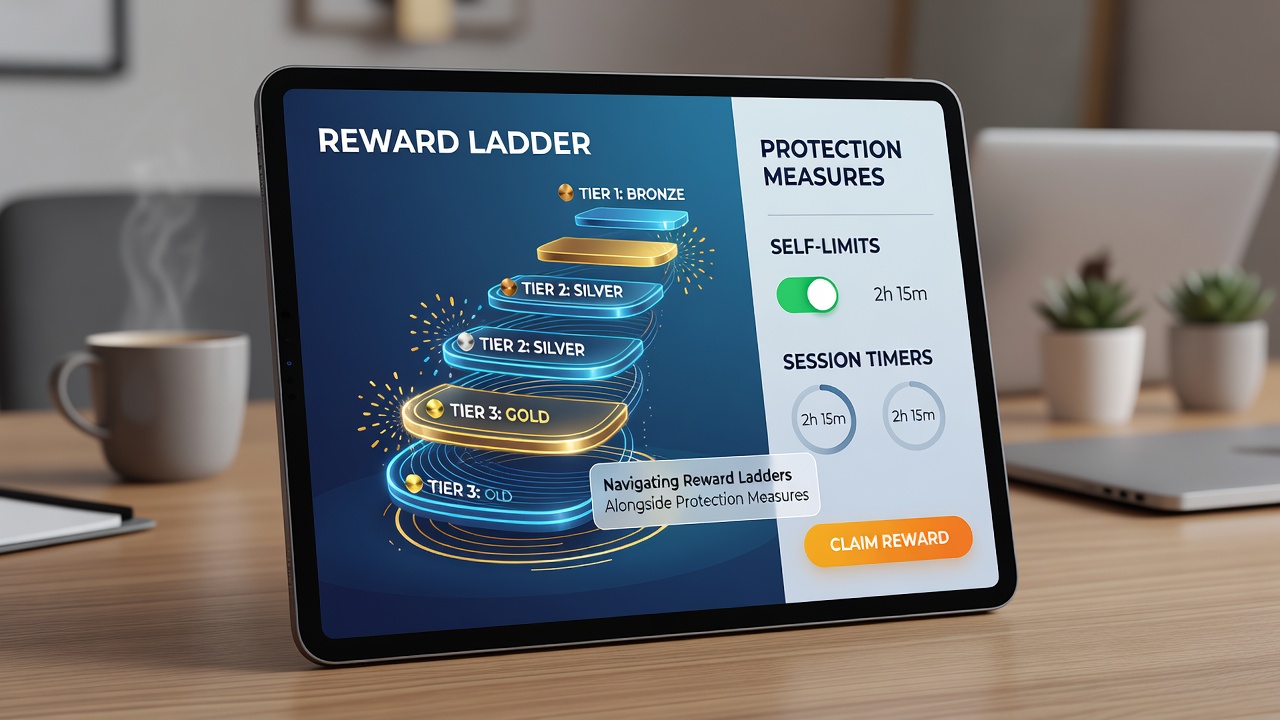
Session timers count down visible minutes and offer a pause function that also freezes reward point collection until the user resumes. Data from the National Council on Problem Gambling indicates that when these tools sit alongside loyalty metrics, more users activate at least one limit within the first month of account creation. The design places toggle switches for cooling-off periods directly below the tier overview, reducing the steps needed to activate safeguards.
Design Patterns That Link Both Elements
Developers arrange the screen so reward ladders occupy the upper portion while protection controls remain one scroll away, creating a logical flow that keeps both visible during normal use. Color coding distinguishes advancement indicators from limit settings, with green tones for progress and neutral shades for safety features. Some platforms add a summary panel that lists current tier, points earned, and active limits in a single row, updating in real time as play continues.
July 2026 marks the rollout of updated interface standards in several jurisdictions that require reward displays to include proximity links to protection menus, ensuring users encounter both elements without extra clicks. Testing conducted by independent labs confirmed that these layouts maintain readability on smaller screens while preserving the distinction between promotional content and control functions.
Player Navigation Patterns Observed Across Applications
Analytics reveal that users frequently toggle between checking tier status and adjusting limits within the same session, with many accessing protection tools immediately after receiving a reward notification. The placement of quick-access buttons allows one-tap entry to limit sliders without exiting the rewards view, and operators log these interactions to refine menu order. Those who study user behavior report that interfaces grouping the two functions reduce the time spent searching for settings by roughly forty percent compared with older separate-menu designs.
Examples include apps that highlight newly unlocked benefits only after confirming current limits remain active, prompting users to review safeguards before claiming rewards. This sequence appears in multiple platforms and follows guidelines issued by regional regulators outside the United Kingdom.
Technical Considerations for Consistent Delivery
Real-time synchronization ensures that changes to limits reflect instantly in the reward calculation engine, preventing point accrual once a cap activates. Cloud-based storage keeps settings consistent across devices, so a limit set on a phone carries over to a tablet login without manual re-entry. Security protocols encrypt both reward history and protection data using the same standards, and regular audits verify that the combined display does not introduce latency during peak usage periods.
Updates rolled out in recent months have added collapsible sections that hide detailed reward rules until expanded, keeping the main view focused on current tier and active limits. These refinements address screen space constraints while preserving access to full information when needed.
Conclusion
Handheld casino interfaces continue to merge reward ladders with protection measures through shared dashboards, synchronized data, and streamlined navigation. The result allows users to track advancement while maintaining control settings without switching contexts, and ongoing refinements reflect feedback from both players and regulatory reviews. As platforms evolve, the integration of these elements remains central to how mobile gaming environments present information and options side by side.