UK Betting and Gaming Council Unveils 'Spot The Black Market' Quiz to Expose Illegal Gambling Risks
11 Mar 2026
UK Betting and Gaming Council Unveils 'Spot The Black Market' Quiz to Expose Illegal Gambling Risks

A New Tool Enters the Fight Against Unregulated Gambling
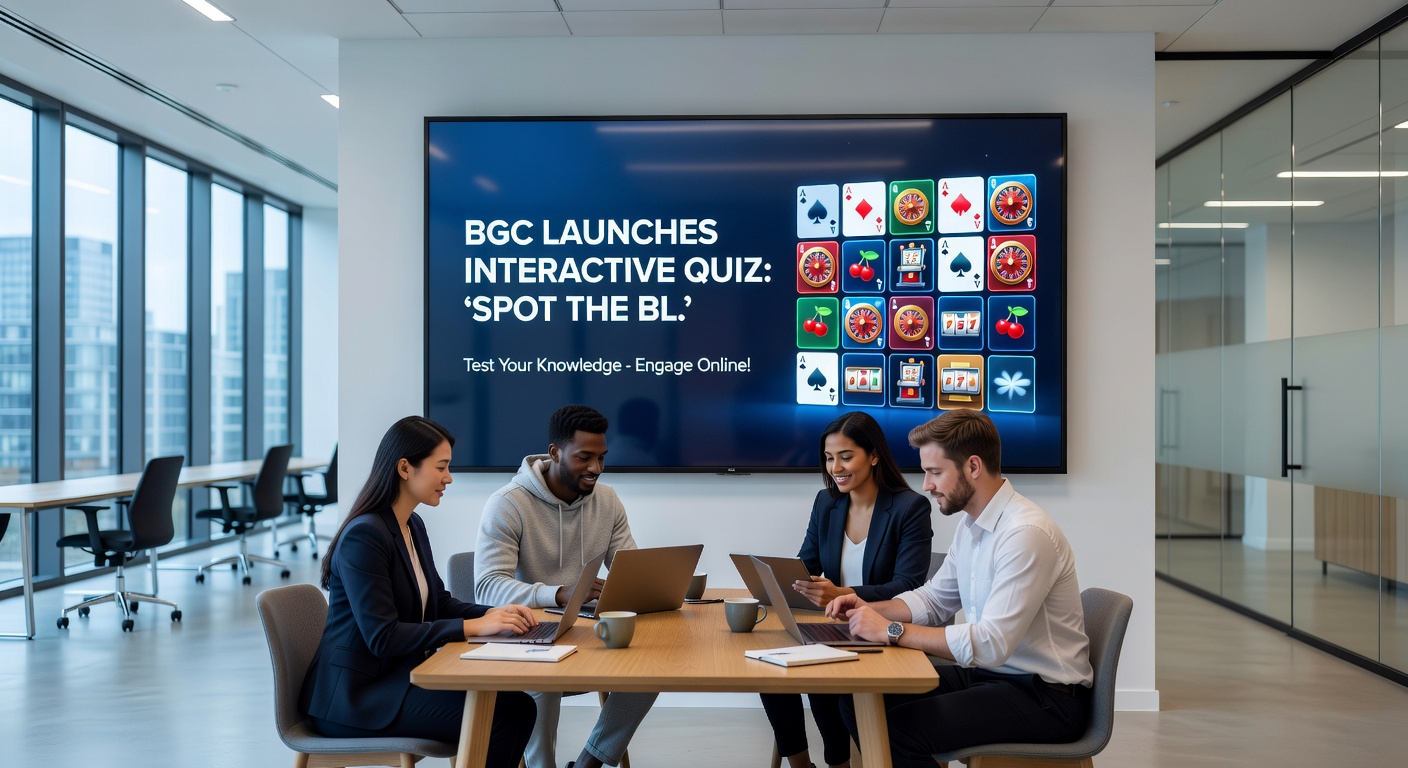
On March 10, 2026, the Betting and Gaming Council (BGC) in the UK rolled out an interactive online quiz titled “Spot The Black Market,” designed specifically to equip consumers with the skills to detect unregulated and illegal gambling websites; through a series of mock screenshots, participants learn to spot critical warning signs like the absence of a visible UK Gambling Commission licence number, and in doing so, the initiative directly addresses the growing threat of black market operators who mimic legitimate platforms while skirting all player protections.
What's interesting here is how the BGC positions this quiz not just as entertainment, but as a practical safeguard amid heightened concerns over consumer safety in the UK's gambling sector; unregulated sites, observers note, fail to adhere to essential rules on responsible gambling, age verification, and fair play, leaving players exposed to risks that licensed operators must legally mitigate.
And while the quiz keeps things straightforward—presenting side-by-side examples of real-looking sites with subtle differences—its launch comes at a time when black market activity shows no signs of slowing down; take the BGC-commissioned report from late 2024, which revealed £5.7 billion staked on such platforms, underscoring the scale of the problem and why tools like this one matter now more than ever.
How the Quiz Works: Spotting the Red Flags
Participants dive right into the action with scenarios mimicking everyday encounters on gambling sites; one common telltale, for instance, involves checking for that all-important UK Gambling Commission licence number prominently displayed on legitimate pages, whereas black market mimics often bury it, fake it, or skip it entirely, and the quiz uses annotated screenshots to highlight exactly where savvy users should look first.
But here's the thing: it's not just about licences; the BGC emphasizes other hallmarks of illegitimacy, such as missing age restrictions, aggressive bonus offers without terms, poor mobile optimization that screams unprofessionalism, or payment methods that dodge standard UK banking scrutiny, all presented in bite-sized challenges that build recognition skills over time.
Experts who've previewed the tool point out its gamified approach—scoring users on accuracy while offering instant feedback—makes the learning stick; one session might contrast a polished, licensed site like those from major operators with a shady clone lacking secure SSL indicators or customer support details, and by the end, users walk away knowing the black market's tricks up close.
Now, since the launch on March 10, 2026, via the BGC's official channels, access remains free and open to anyone, whether casual bettors or seasoned players, turning what could be dry education into something interactive and memorable; data from similar campaigns suggests such methods boost awareness far better than static warnings alone.
The Broader Context: Black Market Threats in the UK Gambling Landscape
Turns out, the BGC didn't pull this quiz out of thin air; it responds directly to patterns where illegal operators exploit the trust in regulated brands by copying designs, logos, even welcome offers, yet they operate beyond reach of UK authorities, meaning no recourse for lost funds, no tools to curb addiction, and heightened vulnerability to data breaches or fraud.
Those who've studied the sector note how black market sites thrive on lax enforcement overseas, often hosted in jurisdictions with zero player safeguards; a player clicking what looks like a familiar UK-facing casino might instead land on a platform ignoring deposit limits, self-exclusion protocols, or even basic RNG testing for game fairness, and that's where the rubber meets the road for consumer protection efforts.
According to the details shared in the launch announcement via Yogonet International, the BGC stresses these unregulated entities pose direct harm by undercutting legitimate businesses too; licensed operators foot the bill for stringent compliance, while black market rivals lure customers with unrealistic odds or bonuses that vanish without payout, eroding overall market integrity.
So, in March 2026, as football seasons ramp up and major events draw crowds to betting apps, this quiz arrives with perfect timing; people often find themselves tempted by ads promising the moon, but now they have a quick way to verify legitimacy before staking anything.
Why This Matters for Players and the Industry
Observers highlight how initiatives like “Spot The Black Market” bridge the gap between regulation and real-world use; the UK Gambling Commission mandates licence visibility for good reason—it's the frontline defense against fakes—and yet, surveys indicate many players overlook it amid flashy promotions or peer recommendations.
Take one case where a mock site in the quiz replicates a top Premier League sponsor's layout but swaps in a bogus licence; users learn to hover over footer links, verify via the official UKGC registry, and spot domain quirks like .com instead of .co.uk, skills that prevent the kind of horror stories where deposits disappear into ether.
And while the BGC represents major players in betting and gaming, its push here aligns with government reviews pushing for tougher black market crackdowns; figures from prior reports show illegal sites capturing a chunk of the action precisely because they dodge taxes and protections, but tools like this quiz empower users to starve them of custom.
It's noteworthy that the quiz avoids overwhelming details, focusing instead on five to seven key checks per level—licence presence, secure payments, responsible gambling links, clear terms, contact info—making it accessible even for newcomers who might otherwise gamble blindly.
Yet, for those in the know, the launch signals deeper industry resolve; black market volumes, as flagged in that £5.7 billion staking figure, demand proactive steps beyond enforcement alone, and educating the public shifts some burden back to where it belongs—with informed choices at the click of a mouse.
Player Protections: What Legitimate Sites Offer That Black Market Can't
Legitimate UK sites, by contrast, embed safeguards everywhere; self-exclusion via GAMSTOP integration, mandatory reality checks after sessions, stake caps for at-risk players, and transparent auditing of games stand in stark opposition to the free-for-all on unregulated platforms, where such features either fake out or absent entirely.
The quiz drills this home through visuals: a legit footer brims with UKGC badge, affiliate disclosures, and privacy policies linked to GDPR compliance, while the black market version skimps, often redirecting to unrelated pages or none at all; participants who nail these distinctions score high, reinforcing habits that keep them safe long-term.
But here's where it gets interesting: post-quiz, users receive shareable tipsheets, perfect for warning friends ahead of big matchdays or casino promos; in a sector where word-of-mouth drives traffic, this ripple effect could dent black market appeal significantly.
Conclusion: A Step Forward in Safer Gambling
As the “Spot The Black Market” quiz gains traction just days into its March 10, 2026, debut, it stands as a timely reminder that spotting fakes requires little more than a trained eye; the BGC's effort, rooted in real threats like unlicensed mimics and absent protections, equips everyday users to navigate the web's gambling underbelly without falling prey.
With black market stakes running into billions—as evidenced by recent reports—and consumer safety hanging in the balance, such interactive tools mark a smart evolution in industry self-regulation; players who engage walk away sharper, legitimate operators breathe easier, and the overall landscape inches toward cleaner play.
Ultimately, while challenges persist, initiatives like this one show how education turns passive users into active defenders, ensuring the UK's gambling scene remains a fair fight for those who play by the rules.